






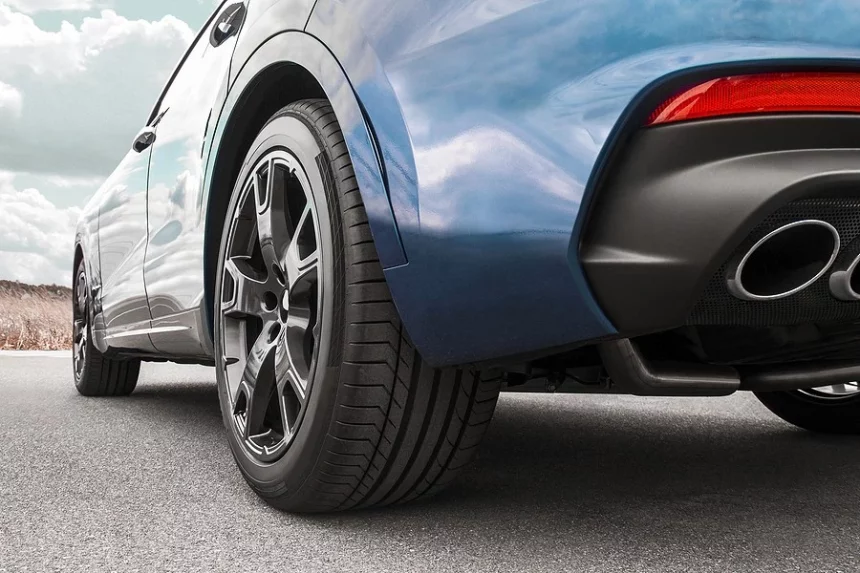
When it comes to upgrading your car, one of the most impactful changes you can make is to the wheels. Not only do new wheels improve the overall appearance of your vehicle, but they can also enhance its performance and handling. However, with so many options available on the market, choosing the best wheels for your car can be overwhelming. In this comprehensive guide, we’ll explore the different factors to consider when selecting the perfect wheels for your vehicle.
First and foremost, it’s important to understand the different types of wheels available. The most common types of wheels are steel, alloy, and carbon fiber. Steel wheels are the most budget-friendly option and are known for their durability and strength. However, they are also the heaviest option, which can negatively impact your car’s performance and fuel efficiency. Alloy wheels, on the other hand, are a more popular choice among car enthusiasts. They are lighter than steel wheels and offer a better balance of strength and weight. They also come in a variety of finishes, including chrome and matte, which can enhance the overall appearance of your car. Carbon fiber wheels, while the most expensive option, are the lightest and strongest of the three. They are also known for their ability to dissipate heat quickly, which can improve your car’s braking performance.
Another factor to consider when selecting wheels is the size and fitment. It’s important to ensure that the wheels you choose are compatible with your car’s suspension and brake system. This means that the wheels must have the same offset, diameter, and bolt pattern as the wheels that came on your car from the factory. Choosing wheels that are too large or have the wrong offset can negatively impact your car’s handling and stability. Additionally, you’ll want to make sure that the tires you choose are the correct size and have the appropriate load and speed ratings for your vehicle.
The style of the wheel is also an important consideration. The most popular styles include multi-spoke, split-spoke, and concave designs. Multi-spoke wheels have multiple thin spokes that radiate out from the center hub, giving them a sleek and modern look. Split-spoke wheels have two or more thicker spokes that run parallel to each other, creating a unique and sporty appearance. Concave wheels have a deeper dish, which makes the wheel appear larger and more aggressive. It’s important to note that the style of the wheel you choose should complement the overall aesthetic of your car.
Another important consideration is the weight of the wheel. Lighter wheels are generally considered to be better for performance and fuel efficiency as they reduce the unsprung weight of the vehicle. Unsprung weight is the weight of the components that are not supported by the suspension, such as wheels, tires, brakes, and drive axles. Reducing unsprung weight can improve handling and braking performance, as well as fuel efficiency.
In conclusion, choosing the perfect wheels for your car requires careful consideration of several factors including the type, size and fitment, style, and weight of the wheel. By taking the time to research and evaluate each of these factors, you’ll be able to select wheels that not only enhance the appearance of your car but also improve its performance and handling. Remember that the wheels you choose should complement the overall aesthetic of your car and also should be compatible with your car’s suspension and brake system.
Consider when selecting wheels is the size and fitment. It’s important to ensure that the wheels you choose are compatible with your car’s suspension and brake system. This means that the wheels must have the same offset, diameter, and bolt pattern as the wheels that came on your car from the factory. Choosing wheels that are too large or have the wrong offset can negatively impact your car’s handling and stability. Additionally, you’ll want to make sure that the tires you choose are the correct size and have the appropriate load and speed ratings for your vehicle.